It’s a scenario played out in living rooms across the UK every evening. Your partner walks through the door, shoulders slumped, brow furrowed, radiating the distinctive tension of a terrible day at work. Your instinct, honed by years of relationship advice columns and emotional intelligence training, is to ask, "Do you want to talk about it?" Often, this is the right approach. Verbalising stress, unpacking the day’s micro-aggressions, and feeling heard are crucial components of emotional intimacy. However, there are moments when words fail—or worse, when talking only serves to re-traumatise the nervous system, keeping the brain stuck in a loop of frustration. In these specific instances, suggesting a run, a gym session, or a brisk walk might actually be the more empathetic choice.
Understanding the physiology of stress helps explain why talking isn't always the cure-all we assume it to be. When we encounter conflict or pressure, our bodies activate the "fight or flight" response, flooding our system with cortisol and adrenaline. In our evolutionary past, this energy was discharged through physical action—running from a predator or fighting a threat. In the modern office, however, we sit still while the stress hormones accumulate. Trying to "talk out" this visceral, chemical state can sometimes feel like trying to reason with a tiger; the body doesn't need logic, it needs release. Exercise completes the stress cycle, signalling to the body that the "threat" has been survived and it is safe to return to a resting state.
Recognising the signs of verbal fatigue
How do you distinguish between a partner who needs a listening ear and one who needs a pair of trainers? Look for the signs of "looping." If your partner is repeating the same complaint without moving towards a resolution, or if their anger seems to be escalating rather than dissipating as they speak, they are likely stuck in a sympathetic nervous system arousal state. Another clear indicator is physical restlessness—pacing, clenching fists, or an inability to sit still. These are somatic cues that the body is primed for movement. In this state, asking them to sit down and articulate their feelings requires cognitive processing power they simply don't have access to at that moment.
The art of the suggestion
Approaching this suggestion requires tact. Telling an angry person to "go for a run and calm down" is a high-risk strategy likely to result in an argument. The key is to frame movement as a shared remedy or a physiological reset rather than a dismissal of their feelings. You might say, "I can see you're carrying a lot of tension. Before we unpack everything, shall we go for a quick 20-minute power walk to shake off the day?" Alternatively, leading by example often works best. Simply putting on your own kit and asking, "I need to burn off some energy, care to join me?" removes the pressure and offers them an easy opt-in to a therapeutic activity.
Choosing the right type of movement
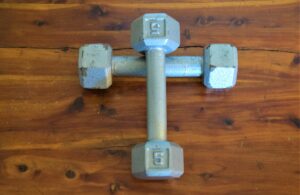
Not all exercise serves the same therapeutic purpose. For high-anger stress, high-intensity activities like boxing, sprinting, or heavy lifting allow for the aggressive discharge of energy. This "somatic venting" can be incredibly cathartic. Conversely, if the stress is characterised by anxiety, overwhelm, or sadness, rhythmic, repetitive movements are more effective. Swimming, cycling, or long-distance running induce a meditative state, regulating breathing and calming the amygdala. Even a low-intensity walk in nature has been scientifically proven to lower cortisol levels more effectively than walking in an urban environment.
Reconnecting after the cool down
The goal of substituting talk with exercise isn't to avoid the conversation forever; it is to delay it until it can be productive. Post-workout, the brain releases endorphins and dopamine, natural mood lifters that provide clarity and perspective. This biological shift creates a "window of tolerance" where difficult conversations can finally take place without spiralling into conflict. You will often find that the problems which seemed insurmountable an hour ago appear much more manageable after a good sweat. By prioritising the body’s needs first, you create a safer space for the mind to eventually speak its truth.